AI Self-Care Checklist for Daily Mental Health Support

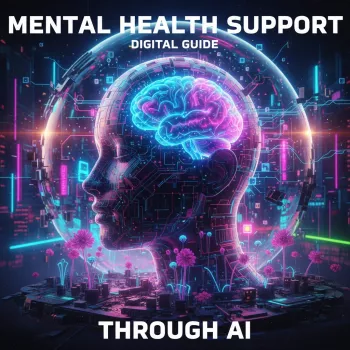
Mental Health Support Through an AI Checklist: A Digital Self-Care Guide for Emotional Wellness
A lightweight, repeatable self-care routine can make emotional check-ins easier to start and easier to sustain. An AI-assisted checklist pairs mindful reflection with structured questions, helping you track patterns, name feelings, and choose small supportive actions—without replacing professional care. When the goal is consistency (not perfection), a simple checklist can become a steady “anchor” during busy weeks and emotionally noisy seasons.
What an AI-Assisted Self-Care Checklist Is (and What It Isn’t)
An AI-assisted self-care checklist is a structured set of daily or weekly steps that guides you through mood check-ins, stress signals, and coping actions. Instead of staring at a blank journal page, you follow a repeatable sequence that makes the next step obvious—especially helpful when you’re tired, anxious, or overwhelmed.
What it is:
- A consistent routine for noticing mood shifts, body cues, and common triggers.
- A way to reduce decision fatigue by turning self-care into a short list of doable actions.
- A companion to healthy habits (sleep, movement, hydration, social support) and to professional care when needed.
What it isn’t:
- Not a diagnostic tool and not a substitute for therapy, medication management, or emergency services.
- Not a reliable risk-assessment system for crises or safety concerns.
For foundational guidance on mental health and self-care, the National Institute of Mental Health offers practical resources: NIMH — Caring for Your Mental Health.
Core Building Blocks of Emotional Wellness in a Digital Guide
The most useful checklists are built around a few essentials: awareness, regulation, reflection, connection, and continuity. Together, they help turn vague stress into something you can respond to with clarity.
- Awareness: quick labeling of emotions and body cues (sleep, appetite, tension, restlessness).
- Regulation: short, practical actions (breathing reset, grounding, micro-breaks, movement, hydration).
- Reflection: gentle journaling that turns fuzzy worry into specific, workable observations.
- Connection: prompts that encourage reaching out to trusted people or professional resources when appropriate.
- Continuity: tracking small trends over time to spot what helps and what drains energy.
Checklist modules and what they support
| Module | Typical time | Purpose | Example prompt |
|---|---|---|---|
| Mood + body scan | 1–2 min | Notice signals early | What feels most intense right now—emotion or physical sensation? |
| Stress trigger log | 2–3 min | Identify patterns | What happened right before the mood shift? |
| Mindfulness reset | 2–5 min | Downshift nervous system | Name 5 things seen, 4 felt, 3 heard, 2 smelled, 1 tasted. |
| Values-based next step | 1–2 min | Choose a supportive action | What is the smallest kind action that helps future-you? |
| Reflection + reframe | 3–7 min | Reduce rumination | What would be a more balanced interpretation of this situation? |
How AI Helps With Reflection Without Taking Over
AI is most helpful when it “holds the structure” while you stay in charge of the meaning. On low-energy days, open-ended journaling can feel like too much; guided questions make it easier to begin and to stop (without spiraling).
- Guided reflection when you’re stuck: turning a blank page into a sequence of gentle questions.
- Theme spotting: summarizing repeated triggers or recurring thoughts so patterns are easier to notice.
- Compassionate language: nudging toward balanced phrasing and alternatives to self-criticism.
- Micro-planning: offering a small menu of coping actions that match what you logged.
- Privacy-friendly use: keeping sensitive details minimal and focusing on feelings, needs, and actions.
For evidence-based stress reduction practices, mindfulness is widely studied and broadly accessible. A helpful overview is available here: APA — Mindfulness meditation: A research-proven way to reduce stress.
A Simple Routine: Daily Check-In and Weekly Review
Consistency beats intensity. A short daily check-in creates momentum, and a weekly review adds context so you can see what’s actually changing.
Daily check-in (5–10 minutes)
- Rate your mood (and optionally energy) on a simple scale.
- Note the top stressor or situation that shaped your day.
- Choose one coping action (small enough to do immediately).
- Write a brief reflection: what you needed, what helped, what you’ll try next.
Weekly review (10–15 minutes)
For a big-picture look at why mental health support and prevention matter globally, see: WHO — Mental health: strengthening our response.
Mindfulness Prompts That Pair Well With a Checklist
Safety Notes and When to Seek Extra Support
Digital Checklist Option: Quick, Guided Self-Care for Everyday Use
- Mental Health Support Through AI Checklist | Digital Self-Care Guide for Emotional Wellness, Mindfulness & AI-Assisted Reflection — a structured, repeatable format for daily check-ins and weekly pattern review.
- Recharging Your Mind with AI – Digital Stress Relief Guide for Calm, Focus & Mental Wellness — a deeper companion for building calming routines and stress-relief habits over time.
- Foldable Magnetic 3-in-1 Wireless Charging Station – 15W Fast Charger for iPhone, Apple Watch, and AirPods — a practical add-on for keeping devices powered so your wellness tools and reminders stay available when you need them.
FAQ
Can an AI-assisted checklist replace therapy?
No. It can support reflection and habit-building, but it does not diagnose or treat mental health conditions and shouldn’t replace licensed care; it works best alongside professional support when needed.
How often should a self-care checklist be used for emotional wellness?
A short daily check-in plus a weekly review is a workable rhythm for most people. Staying flexible and consistent matters more than doing long sessions.
What should be included in an AI-assisted mindfulness reflection?
Include a mood label, a quick body-cue scan, the trigger or context, one coping action you can take, and a brief compassionate reframe. Keep identifying details minimal and focus on what you feel, need, and will do next.






Leave a comment