AI Mindfulness Check-Ins: A Simple Daily Routine
What’s the best way to start using AI for mindfulness and daily check-ins?
The best way to begin is to keep it simple: pick one small daily moment (morning, lunch, or bedtime), use AI to guide a 2–3 minute check-in, and track one repeatable signal like mood, stress, or energy. Starting with a lightweight routine helps you build consistency without turning mindfulness into another task to manage.
Step 1: Choose a single “anchor time” for your check-in
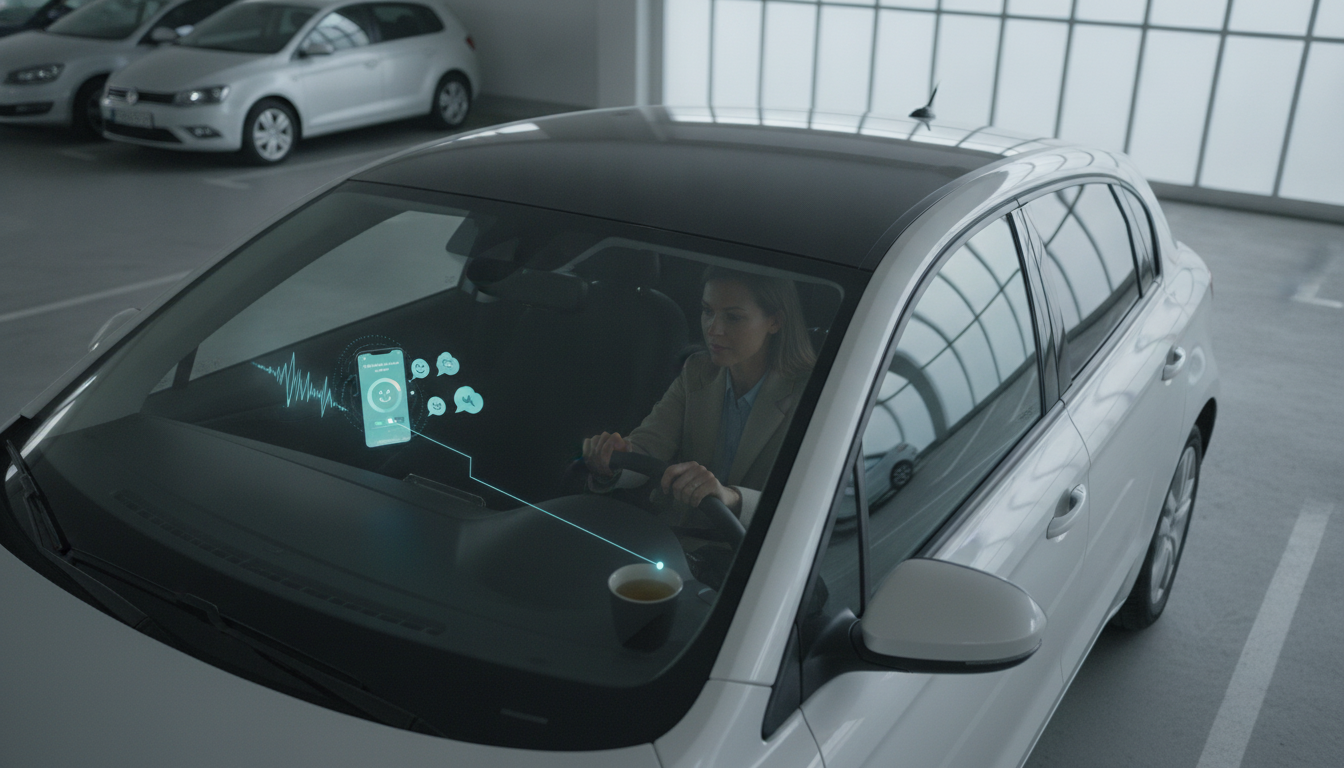
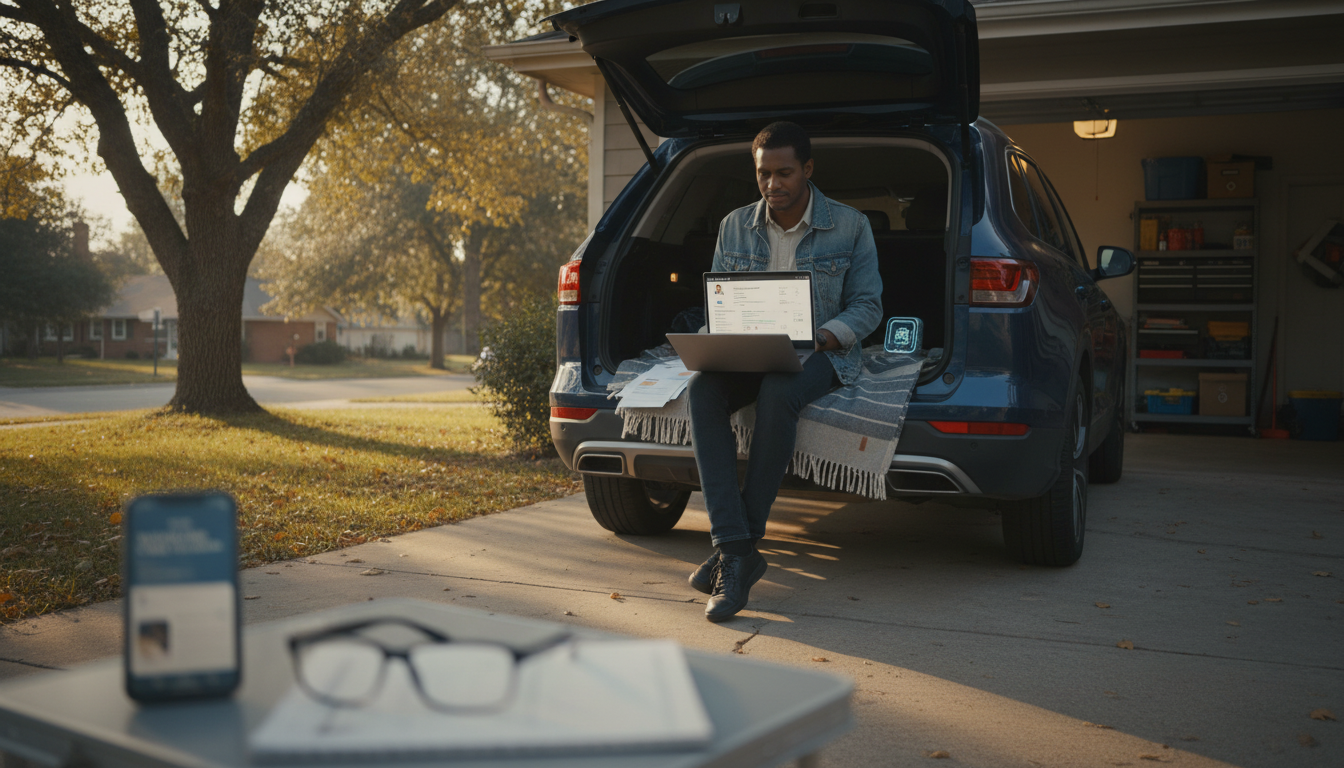
Attach your check-in to something you already do—making coffee, getting into your car, brushing your teeth. Consistency matters more than duration, especially in the first week.
Step 2: Use AI to ask the same three questions daily
A steady format makes patterns easier to notice. A practical trio is: “What am I feeling right now?” “What’s driving that feeling?” and “What’s one small supportive action I can take today?” Ask the AI to keep answers short and to reflect your words back to you without judgment.
Step 3: Add one micro-practice you can actually finish
Pair the check-in with a quick practice: a 60-second breathing count, a brief body scan from head to shoulders, or a two-sentence gratitude note. Have the AI suggest options that fit your environment (quiet room vs. busy commute).
Step 4: Review weekly, not constantly
Once a week, ask AI to summarize what showed up most often—common stressors, times you felt best, and which habits helped. This keeps the focus on awareness and gentle course-correction, not perfection.
Want a more detailed setup?
For a fuller walkthrough—including routine ideas, safety tips, and ways to make check-ins feel natural—read the main guide here: What’s the best way to start using AI for mindfulness and daily check-ins?
FAQ
How can I keep AI mindfulness check-ins private?
Use the most restrictive privacy settings available, avoid sharing sensitive identifiers, and store notes locally when possible. If privacy is a concern, keep check-ins general (feelings and behaviors) rather than specific personal details.


Leave a comment